

Trip itinerary for you and your player.
The coaches, the clubs, the training grounds and the stadiums that make up an IPPE week in England. Your family travels with your player, and the week is built around them.
No two IPPE weeks run the same, because each one is built around the players who come on it. What stays the same is what every week is built from: coaches who have spent their careers inside English academy football, clubs that put your player straight into their game, and grounds most families only ever see on television.
Who coaches your player.
Your player’s sessions are run by coaches who have spent their working lives inside English academy football, and we name them, because you should know exactly who is on the pitch with your child.
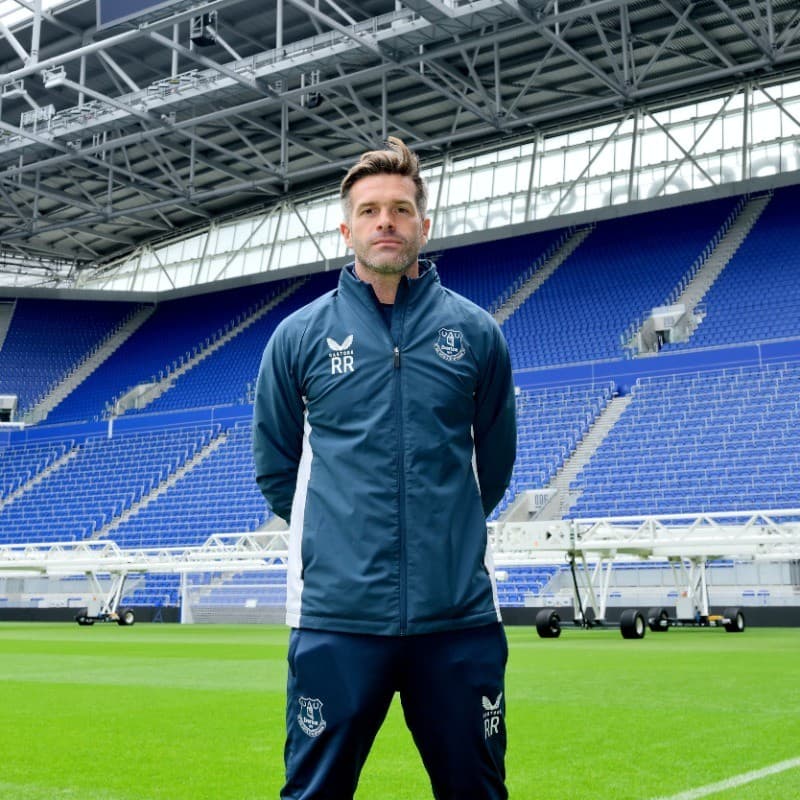
Ray Redmond. UEFA A Licensed, sixteen years in academy football.
Ray has spent more than sixteen years coaching inside Category One academies, the top tier of English youth development, including at Everton Football Club. He is UEFA A Licensed. Other coaches train under him too, through the education and mentoring he runs for professionals, and his FA Talent ID qualification means he also knows how clubs decide which players move up. On the pitch, the work is one player at a time: 1v1 ability, ball mastery, receiving, decision-making, and the confidence to try things with people watching.
Ade Nettell. Manchester City academy, 2017 to now.
Ade has been part of Manchester City’s youth setup since 2017, inside one of the most highly regarded player-development environments in world football. His work there spans coaching, player development and talent identification. That last part matters. Ade spends his weeks watching how an academy decides who is ready for the next level, and he brings that eye, and that honesty, to every IPPE session.
Where the training happens.
Training runs at real facilities in real football neighborhoods, and each venue does a different job.
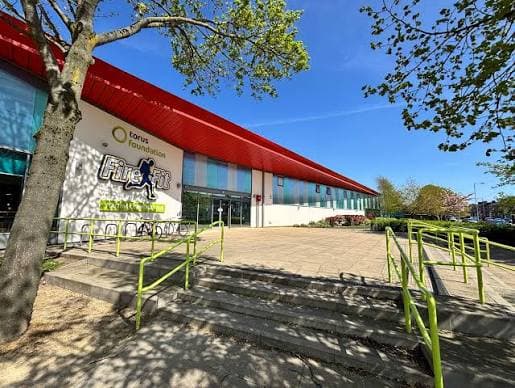
FireFit, Liverpool.
FireFit is a youth and community sports hub in Toxteth, about a five minute drive from Liverpool city centre, with outdoor all-weather turf pitches and full indoor facilities under one roof. It is a working community hub, which means your player trains where Liverpool kids actually play, in the middle of the city’s football life.
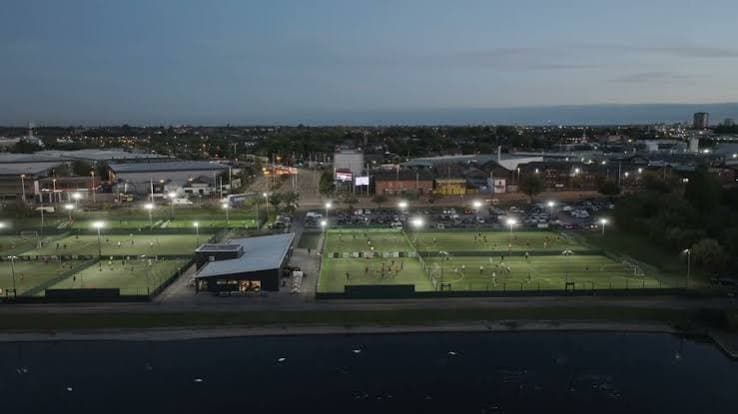
Powerleague.
Powerleague venues are small-sided and floodlit, built for pace and constant involvement. Your player gets the English game at full intensity: first touch, 1v1s, movement, and decisions that will not wait, played the way this country actually plays.
Manchester Futsal Club Youth Academy.
Manchester Futsal Club’s youth academy has been developing young players for around two decades, and we chose it deliberately. Futsal shrinks the game: smaller court, faster tempo, more touches, and a decision arriving with every one of them. There is nowhere to hide, which is exactly the point. Players who train this way get technically stronger and think faster, and the academy’s own pathway runs through age groups, competitive fixtures, tournaments and international experience.
Who they play.
Most overseas trips put your player against other traveling teams. Everyone flies home again. An IPPE week puts your player inside English grassroots football instead, with clubs that have carried their towns’ game for generations. The clubs and the matches move around a little from tour to tour, because the week is built around your player.
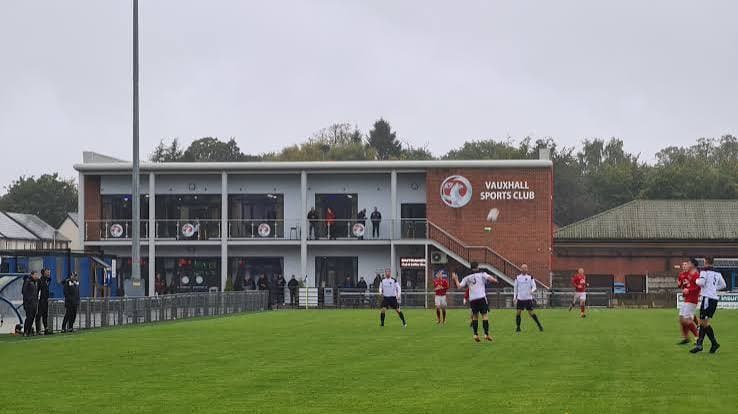
Vauxhall FC. Liverpool.
Vauxhall FC started in 1963 as the works team of the Vauxhall Motors car plant, climbed as high as two divisions below the Football League, and famously knocked Queens Park Rangers out of the FA Cup in 2002. Its youth section is where football starts for a lot of local kids: regular training, organized leagues, and a club woven into its community in a way American club sports rarely are. Careers that reached the Football League began here, Paul Mullin’s among them.
Cherrybrook FC. Wigan.
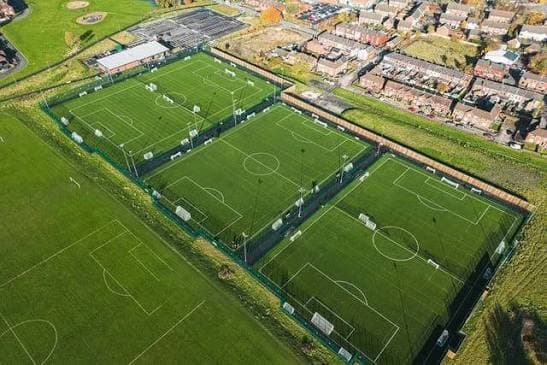
Cherrybrook started in 2008 with a handful of local children and is now one of the largest grassroots clubs in the country, with more than 1,000 players across over 100 teams. It keeps close working relationships with Manchester United, Manchester City, Liverpool, Everton and Wigan Athletic, so professional coaches visit and scouts watch matches here. Hundreds of Cherrybrook players have moved on toward professional academies. A four year old’s first kick at this club can end at one.
FC Kirkby. Merseyside.
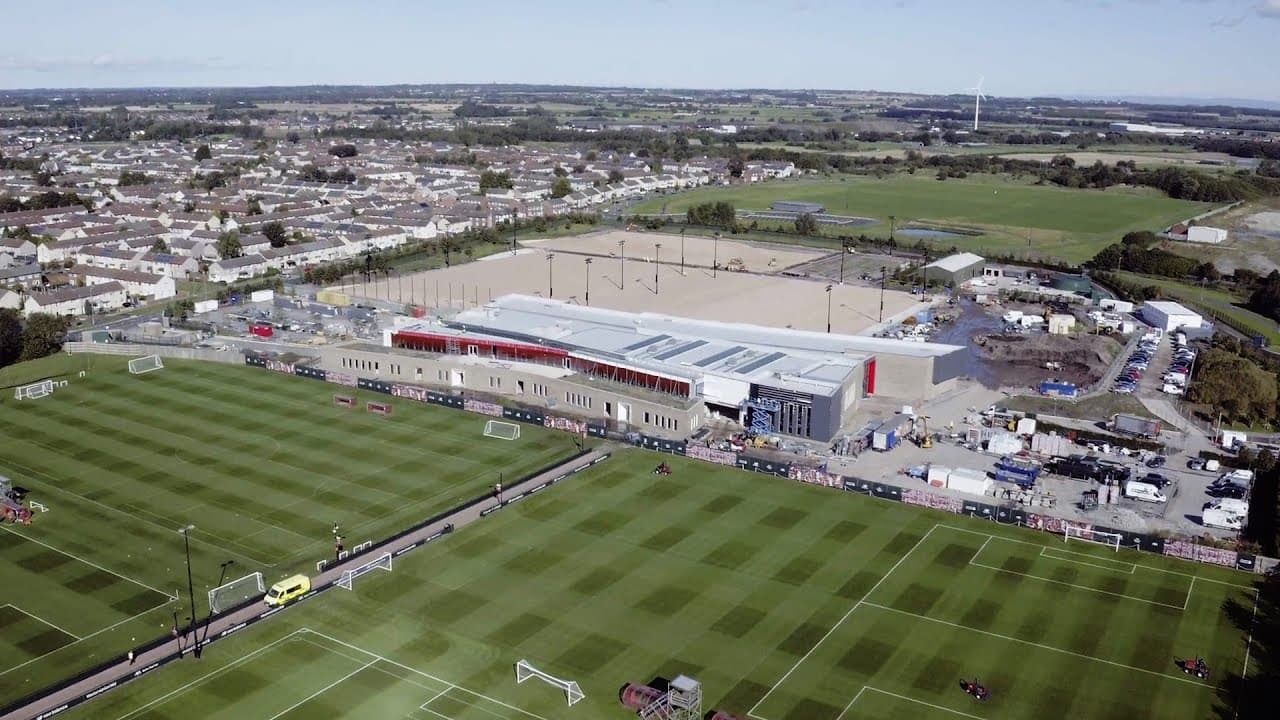
FC Kirkby is a community club in Kirkby, a town with a football claim few places can match: Liverpool FC’s academy and first team training centre sit right there. Liverpool’s scouts watch local leagues and tournaments in this area, and that academy has produced Steven Gerrard, Jamie Carragher, Robbie Fowler, Michael Owen, Trent Alexander-Arnold and Curtis Jones. Your player trains and plays in a town where the professional game is literally down the road.

Old Trafford Juniors. Manchester.
Old Trafford Juniors is a grassroots club from Manchester’s Old Trafford area, with around 160 players aged 7 to 15 across eight squads, training weekly and competing in FA affiliated leagues. It is English youth football exactly as English kids live it, in the streets around one of the most famous grounds in the game.
What you’ll see.
The grounds your player knows from a screen are real buildings an hour apart, and IPPE weeks go inside them.
Old Trafford.
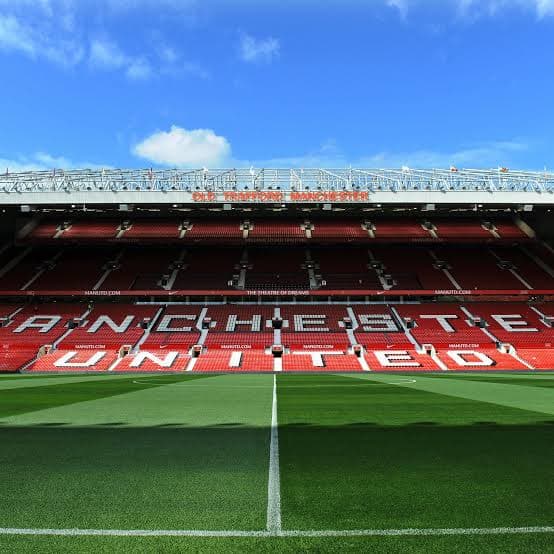
Manchester United’s ground, the one they call the Theatre of Dreams. The tour walks your family through the dressing rooms, the players’ tunnel, the dugouts and the press room, with the stands rising around you the whole way. Think NFL stadium tour, with decades more drama soaked into the walls.
Etihad Stadium.
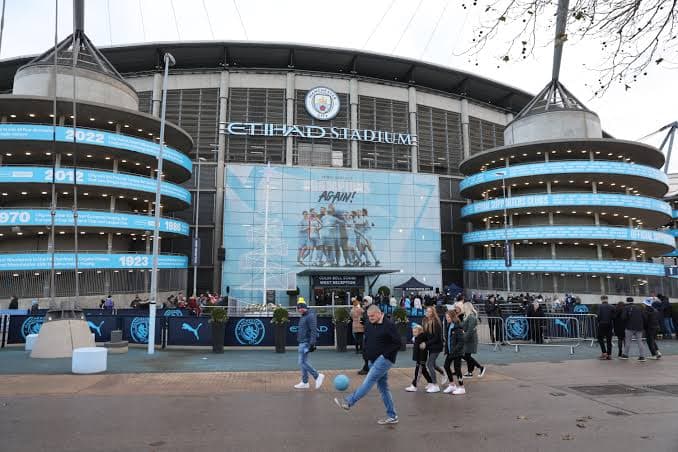
Manchester City’s home, and a tour built to make you feel like a player: the dressing rooms, the tunnel walk, the press room, the pitch opening up in front of you. City’s rise to the top of the world game gets told room by room.
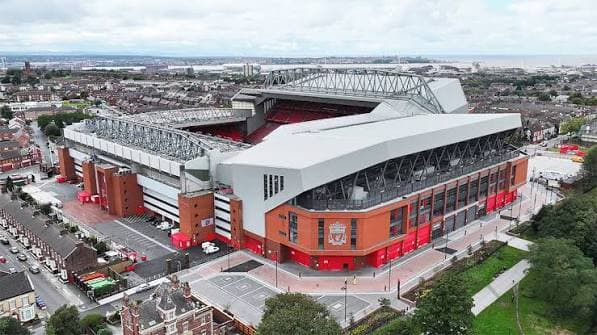
Anfield.
Liverpool’s ground, and one of the most storied in the sport. The tour walks the players’ tunnel, the dressing rooms and the famous stands where generations of supporters have sung You’ll Never Walk Alone. The history is thick on these walls, and your player will feel it long before anyone explains it.
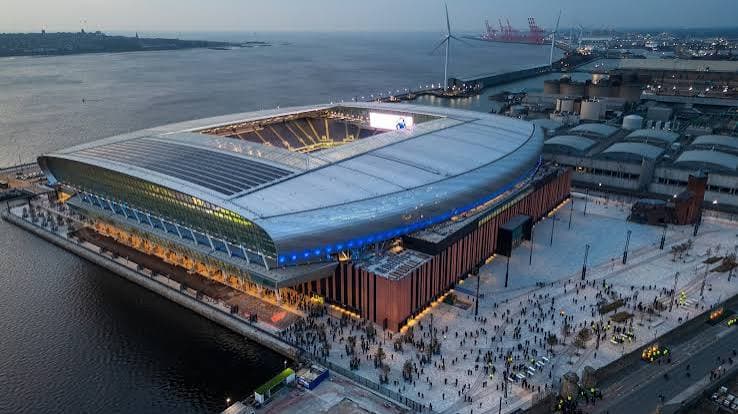
Hill Dickinson Stadium.
Everton’s spectacular new stadium on the Liverpool waterfront. The tour goes through the stands, the dressing rooms, the tunnel and the player areas, inside one of the most historic clubs in the English game.
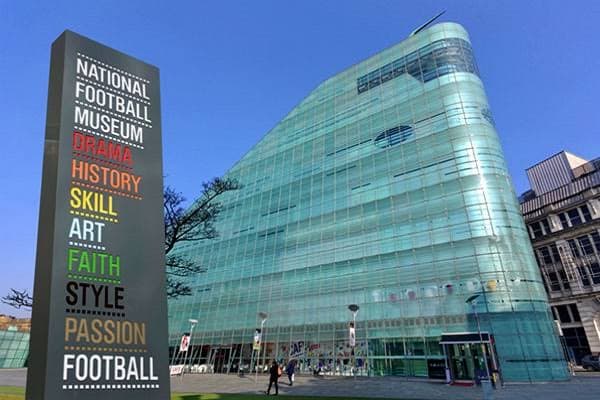
National Football Museum.
Manchester’s National Football Museum answers a question your player has definitely asked: why are the English like this about football? Historic shirts, trophies, memorabilia and the stories underneath them, plus skills challenges your player can actually play. Think the Baseball Hall of Fame, dedicated entirely to soccer.
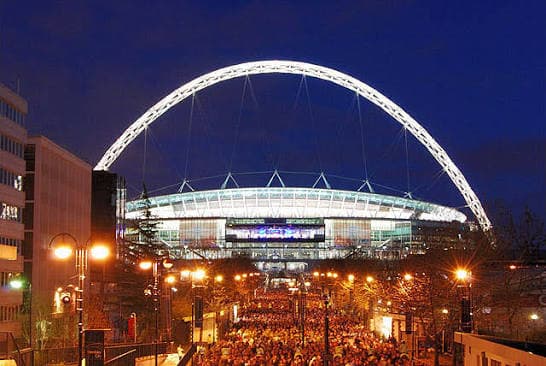
England at Wembley.
When England play at Wembley during a tour week, the group is in the stands, and there is nothing else in sport quite like it. Ninety thousand people, the anthem ringing around the stadium, Three Lions rolling through the stands with the flags and the scarves, and ninety minutes of national nerves. Think Super Bowl atmosphere with a century of tradition underneath it. Your family will be in the middle of all of it.
Where you stay.
IPPE weeks stay across Liverpool, Manchester and London, in hotels picked for where they sit.
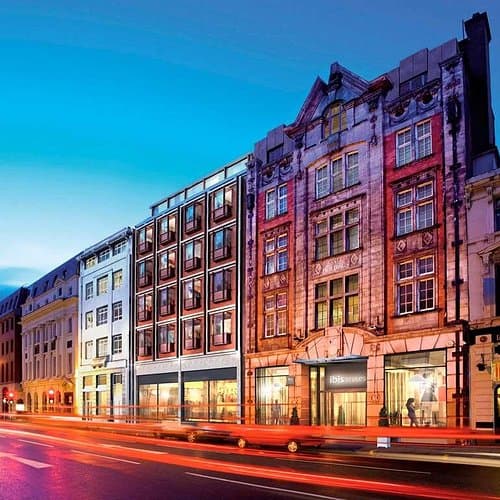
ibis Styles Liverpool Centre. Dale Street, Cavern Quarter.
Right in the heart of Liverpool, around a five minute walk from the Cavern Club, with the waterfront, Albert Dock and Liverpool ONE all within walking distance. The whole building is a playful nod to the city’s Beatles heritage, so even the hotel is part of the trip.

ibis budget Manchester Airport.
About a two minute walk from Terminal 2. Built for the travel days, so nobody is dragging bags across a city at either end of an international flight.

Leonardo Hotel Manchester Piccadilly. Great Ancoats Street.
A contemporary base on Great Ancoats Street, about a ten minute walk from Piccadilly Station, with the creative energy of Ancoats and the Northern Quarter on the doorstep and the city’s shopping, entertainment and sporting attractions in easy reach.

Premier Inn London Hendon. The Hyde.
The London base, in the northwest of the capital, about a fifteen minute drive from Wembley Stadium. Comfortable, dependable, and positioned exactly for the reason you think.
What you’ll eat.
Food is part of the culture lesson, and the week eats the way England actually eats. Chris has strong opinions on all of it.
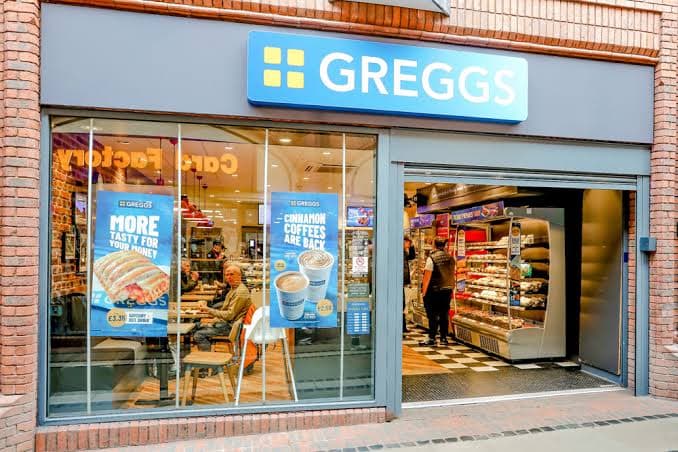
Greggs.
Americans, meet Greggs. Imagine a bakery, a coffee shop and a British cultural institution having a delicious baby. The sausage roll is the star, seasoned sausage in golden flaky pastry, and the Steak Bake is a handheld pot pie filled with beef and gravy. Think Panera plus Dunkin’, with pastry at the heart of everything.

Nando’s.
Flame-grilled peri-peri chicken, born in South Africa from Portuguese flavors, in a casual room where you choose your own heat level. Think Chick-fil-A meets a Portuguese barbecue, with sauces your family will want to smuggle home.
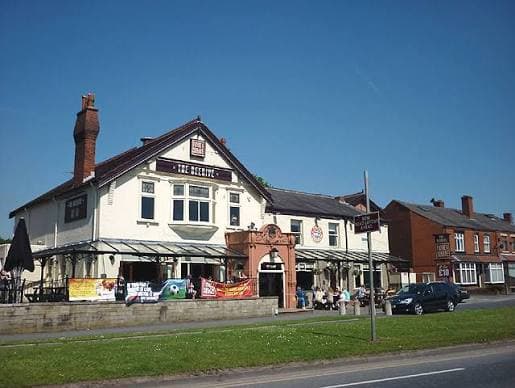
The Beehive. Horwich.
A proper British pub: Sunday roasts, fish and chips, pies, and locals who all seem to know someone at the next table. This is the version tourists rarely find, the neighborhood room where families eat and everyone has a usual seat.
Maine Road Chippy.
A traditional British chippy: crisp battered fish, chunky chips, pies and proper gravy, hot and wrapped and gloriously uncomplicated. Think your favorite seafood shack crossed with a neighborhood takeout, and better than it has any right to be.
Fine Dine Catering. Ancoats.
Restaurant quality cooking served out of a truck window in Ancoats, fast and casual and seriously tasty. It is the meal your player will describe first when somebody asks about the food.

Freight Island.
A former railway freight depot turned into a massive food, drink and music destination: independent kitchens, street food vendors, bars and live music under one roof. Everyone in the group orders something completely different and still sits together, which after a week of team meals is a small kind of magic.
Plan this week for your player.
Get on a call and we will build it around them. We will walk through the dates, the level, your family’s plans, and the honest answer to whether this is the right week.
You end the call knowing the dates, the price, and whether it suits your player.